
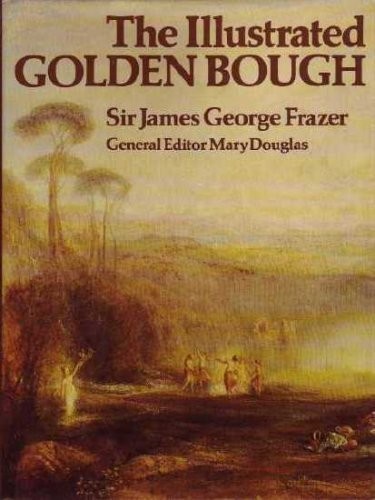
The Golden Bough A Study in Comparative Religion (retitled The Golden Bough: A Study in Magic and Religion in its second edition) is a wide-ranging, comparative study of mythology and religion, written by the Scottish anthropologist Sir James George Frazer. The Golden Bough was first published in two volumes in 1890; in three volumes in 1900; and in twelve volumes in the third edition, published 1906–1915. It has also been published in several different one-volume abridgments. The work was for a wide literate audience raised on tales as told in such publications as Thomas Bulfinch's The Age of Fable, or...
The Golden Bough A Study in Comparative Religion (retitled The Golden Bough: A Study in Magic and Religion in its second edition) is a wide-ranging, comparative study of mythology and religion, written by the Scottish anthropologist Sir James George Frazer. The Golden Bough was first published in two volumes in 1890; in three volumes in 1900; and in twelve volumes in the third edition, published 1906–1915. It has also been published in several different one-volume abridgments. The work was for a wide literate audience raised on tales as told in such publications as Thomas Bulfinch's The Age of Fable, or Stories of Gods and Heroes (1855). The influence of The Golden Bough on contemporary European literature and thought has been substantial."
The Golden Bough 🌿📖
The Golden Bough is a remarkable work that explores how humans have tried to understand the unseen forces of life. It looks deeply into belief systems rituals and stories that shaped societies across long stretches of time. The book does not focus on one culture alone. Instead it moves across lands eras and traditions to show how similar ideas appear again and again.
This work was written by Sir James George Frazer. He was a scholar who spent his life studying how people explain nature death power and renewal. His aim was not to praise or mock belief. His aim was to observe and compare. By doing so he revealed patterns that many readers had never noticed before.
Origins of the Work 📜
The Golden Bough first appeared near the end of the nineteenth century. At that time many readers were eager to learn about ancient worlds. They read myths legends and heroic tales with great interest. Frazer wrote for such readers. He wanted educated people to see how old beliefs still echoed in modern thought.
The book did not remain small. It grew with each new edition. What began as a limited study expanded into a massive collection of ideas examples and explanations. Over the years the work was reshaped refined and expanded. Each version carried the same core spirit which was a desire to understand why humans believe as they do.
The Meaning Behind the Title 🌳
The title The Golden Bough comes from an ancient image. It represents a sacred branch tied to power life and authority. In many old stories a branch or tree symbolized the connection between the human world and higher forces. Frazer used this image to show how symbols guide belief and action.
Throughout the book nature plays a central role. Trees seasons rain and harvests are not background details. They are central to how early societies understood survival. People saw nature as alive and responsive. Rituals were created to please it or control it.
Magic and Religion ✨
One of the key ideas in The Golden Bough is the relationship between magic and religion. Frazer suggested that early humans first relied on magic. They believed certain actions could directly influence the world. When magic seemed to fail religion grew stronger. People then turned to gods and spirits instead of techniques.
This transition did not happen suddenly. In many cultures magic and religion existed together. Even today traces of both can be found in customs sayings and celebrations. Frazer showed that belief systems are not replaced overnight. They slowly change while keeping older layers beneath.
Shared Human Patterns 🌍
A powerful aspect of The Golden Bough is its focus on shared human behavior. Frazer compared distant societies and found striking similarities. Different peoples often created similar myths without contact. This suggested that human minds respond to fear hope and mystery in related ways.
Stories of dying gods returning heroes and sacred kings appear across continents. Frazer argued that these stories reflect natural cycles. Day follows night. Winter follows summer. Death follows life. Humans turned these patterns into stories to make sense of them.
Impact on Thought and Culture 📚
The Golden Bough influenced many writers thinkers and artists. It opened new ways of looking at ancient texts and modern customs. Some readers saw familiar traditions in a new light. Others felt challenged by the idea that sacred practices shared roots with older rituals.
Literature was deeply affected by this work. Authors drew inspiration from its themes and examples. They explored myth symbolism and ritual with renewed depth. Even those who disagreed with Frazer often admitted that his work expanded the conversation.
Structure and Themes 🧠
The book is organized around themes rather than strict history. Frazer moved freely between places and times. This allowed him to focus on ideas instead of timelines. Some readers found this approach demanding. Others found it exciting and eye opening.
Key themes include sacrifice renewal fertility and authority. Frazer explored why societies created sacred leaders and why those leaders were sometimes destroyed. He believed these acts symbolized renewal and balance.
Overview of Core Ideas 🌱
| Concept | Explanation | Cultural Role |
|---|---|---|
| Magic | Actions meant to control nature | Early problem solving method |
| Religion | Appeal to higher powers | Search for protection and meaning |
| Myth | Stories explaining the world | Shared cultural memory |
| Ritual | Repeated sacred actions | Connection between belief and life |
Criticism and Debate 🔍
Not everyone agreed with Frazer. Some scholars argued that he oversimplified cultures. Others felt he compared societies without enough context. These debates continue today. Yet even critics recognize the scale and ambition of his work.
The Golden Bough encouraged discussion rather than silence. It invited readers to question assumptions and explore origins. That alone gave it lasting importance.
Why the Book Still Matters 🌟
Today the world is filled with many belief systems. Understanding how they formed can build respect and insight. The Golden Bough offers a lens to see belief as a human response rather than a mystery without roots.
By reading this work one learns that curiosity connects all people. Fear of the unknown drives stories rituals and faith. Hope shapes them as well. Frazer showed that beneath surface differences humanity shares deep questions.
The Golden Bough remains a challenging yet rewarding journey. It asks readers to look beyond familiar borders and into the shared history of thought. In doing so it reminds us that understanding others often begins with understanding ourselves 🌿✨